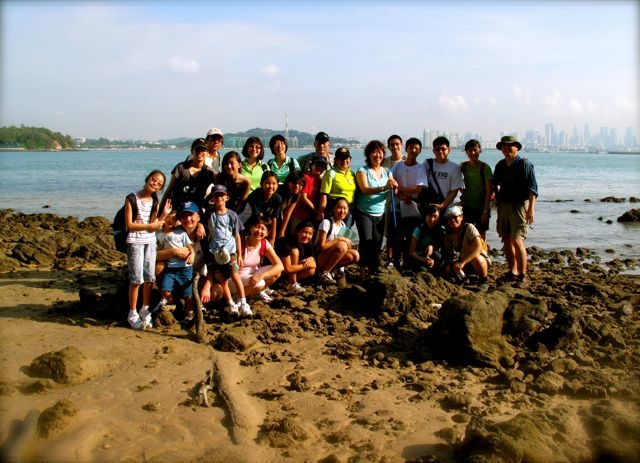
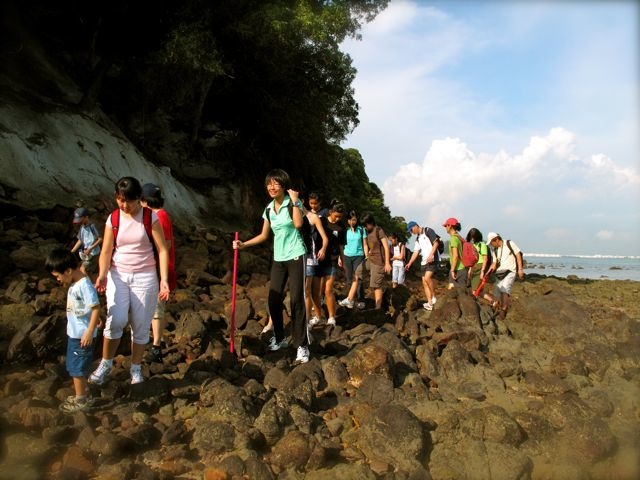
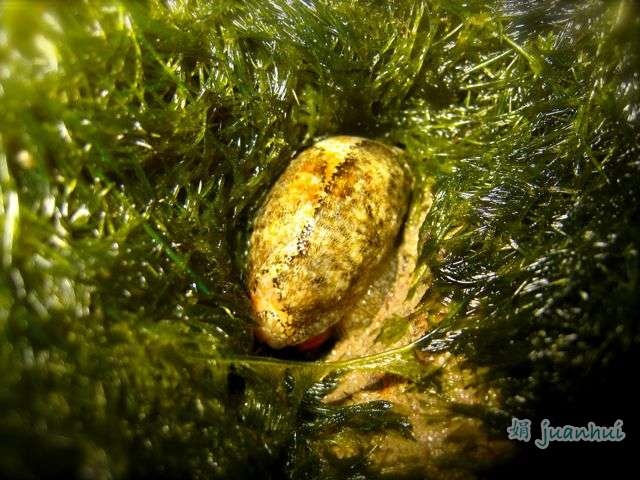
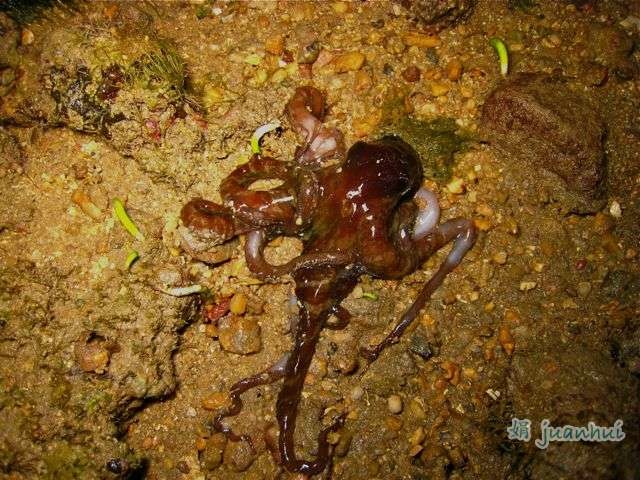
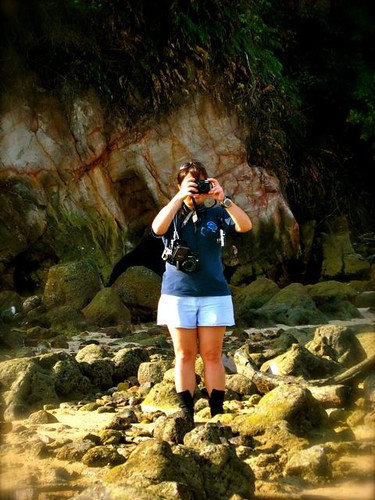
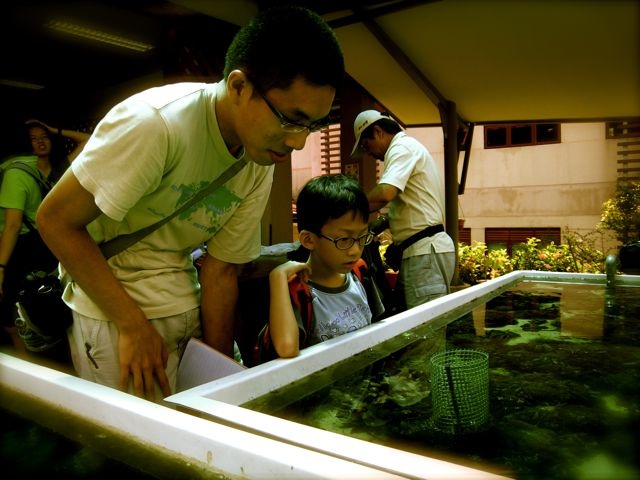
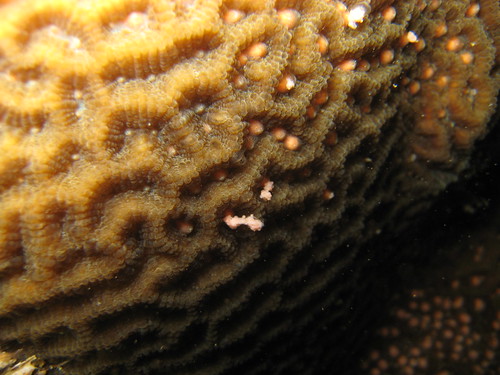
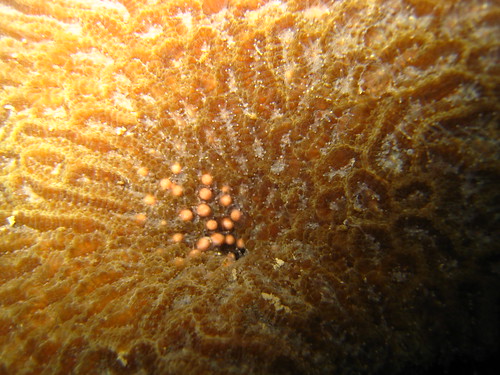
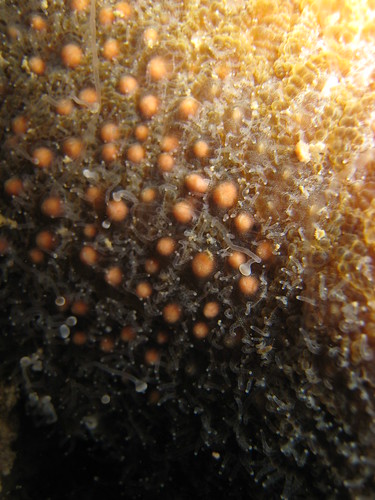
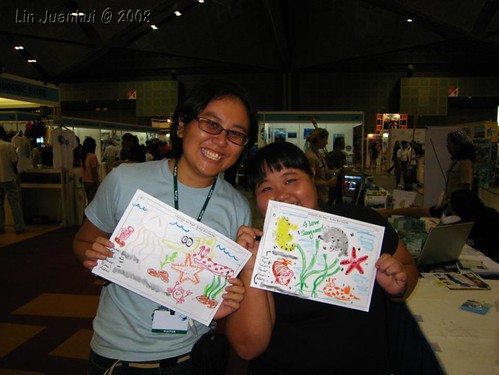
My kayaking trip at Ubin has stirred up a series of personal reflections for me... No, the photo below has no relation to the topic XD It's just that I'm more trigger-happy than a camera whore and I don't really have candid shots of me. 
Have never really been a sporty person but it seems that ever since undergraduate days, I have been becoming more and more of an outdoorsy person. It is through books that I slowly grew to learn about nature, and some of the biodiversity around us. And it is with that that I develop an interest in some outdoors activities. First there were the intertidal guiding, then came diving, then treeclimbing, cycling (yar, I didn't learn how to cycle until a year or two ago), powerboating and Sunday's kayaking. It really does seem serendipitous how things have been working out in my life so far, yet I can't help but feel that it was all planned out.


It's not only the wonder of how I've come to the role in which I have with regards to nature and biodiversity but also the actual miraculousness of nature that has gotten me thinking. And it seems that now I am starting to see and open doors to new areas and perspectives of experiencing and connecting with nature. How so?
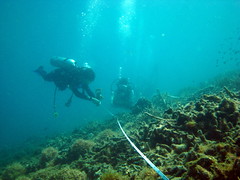
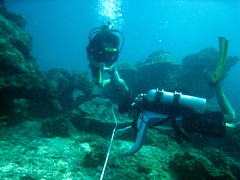
I only went to take my OW and AOW diving certification so that I could have another angle on my FYP. One thing led to another, with me learning LIT methodology, and even helping to conduct ReefCheck training for others! I know that quite a few of my diver friends picked diving up as something unusual to do, caught the bug and have been scratching the itch to get underwater every once in a while. And depending on their instructors/diving kakis, they would gradually start appreciate the marine wildlife and its environment. Yet for me it's the opposite. So from day one I was more in awe of the different kind of milieu that I found whilst diving rather than the actual diving itself.
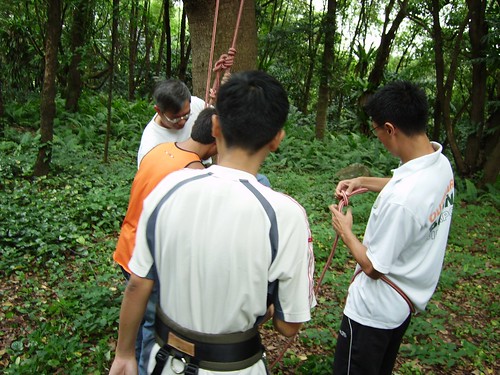
The same thing happened with tree climbing. This time, taking the course with a bunch of fellow intertidal enthusiasts, and again, it was the chance to be up close and personal with the trees that actually got me interested in the course. Still can't tell if I'm much of a convert to tree climbing though, but this is largely due to my sporadic fear of heights. ;p
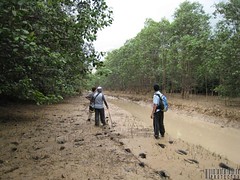
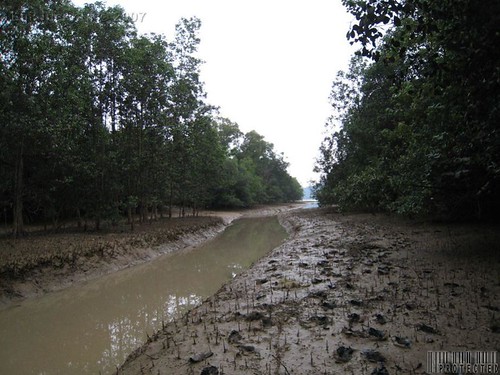
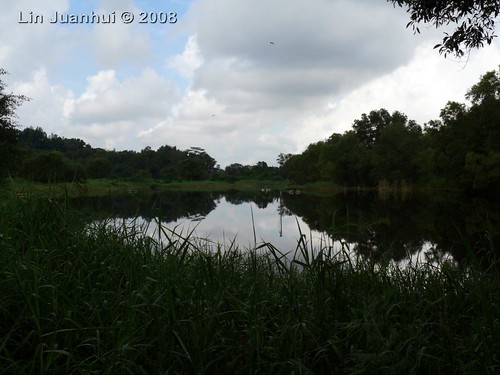
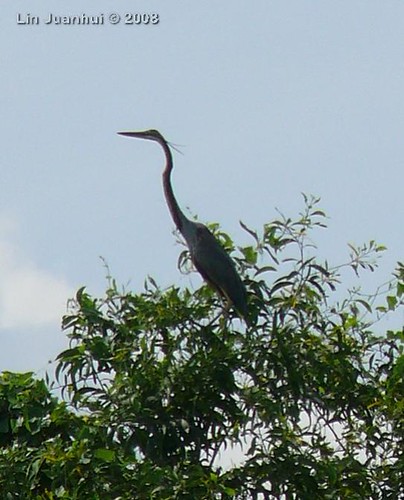
And this brings me to kayaking. Decided to give it a try as one of those "Why not?" things to do. But the trip down the mangroves did show me yet another way for me to explore the great outdoors. Not in the adventure sense, but getting close to some of the trees without the usual sloshing walk, and with the chance to just drift and listen to all those different bird calls.
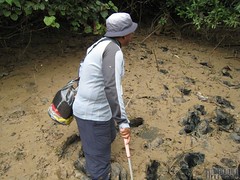
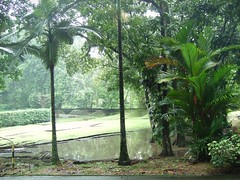
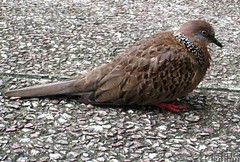
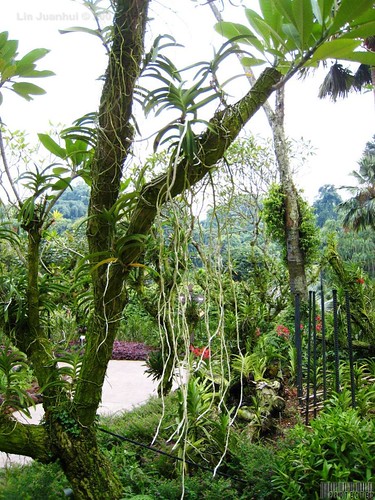
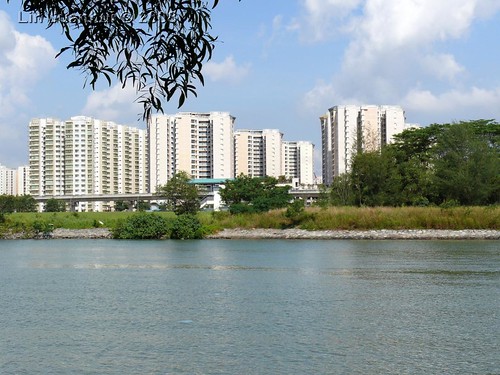
And it strikes me that all one has to do is to slow down for a moment, take a deep breath and just take it all in. Especially for those of us who are blessed to be in Singapore. Just look at the amount of urbanisation and development we have had here in land scarce Singapore. Yet we have managed to keep enough of our nature spots (i.e. Bukit Timah Nature Reserve, Sungei Buloh Wetlands Reserve, Central Nature Reserve, etc.), as well as have park connectors (that act as green bridges between out fragmented forests on mainland). There is still much nature around us. Maybe more in the form of urban biodiversity than actual wildlife in forests. Every once in a while I lose sight of this fact, and yet I am reminded of it time and again. What better time to have this readjusting of perspective but in the middle of the International Year of Biodiversity, eh? So, the next time you find yourself outdoors, don't be so caught up in the activity you're doing but also take time to look around, take a deep breath, and spot critters in the vicinity.


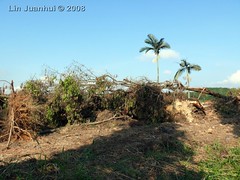

Totally off topic but seems like next year is to be the International Year of Forests! Hmmm.... So what does a divejunkie do then? XD
Have never really been a sporty person but it seems that ever since undergraduate days, I have been becoming more and more of an outdoorsy person. It is through books that I slowly grew to learn about nature, and some of the biodiversity around us. And it is with that that I develop an interest in some outdoors activities. First there were the intertidal guiding, then came diving, then treeclimbing, cycling (yar, I didn't learn how to cycle until a year or two ago), powerboating and Sunday's kayaking. It really does seem serendipitous how things have been working out in my life so far, yet I can't help but feel that it was all planned out.
It's not only the wonder of how I've come to the role in which I have with regards to nature and biodiversity but also the actual miraculousness of nature that has gotten me thinking. And it seems that now I am starting to see and open doors to new areas and perspectives of experiencing and connecting with nature. How so?
I only went to take my OW and AOW diving certification so that I could have another angle on my FYP. One thing led to another, with me learning LIT methodology, and even helping to conduct ReefCheck training for others! I know that quite a few of my diver friends picked diving up as something unusual to do, caught the bug and have been scratching the itch to get underwater every once in a while. And depending on their instructors/diving kakis, they would gradually start appreciate the marine wildlife and its environment. Yet for me it's the opposite. So from day one I was more in awe of the different kind of milieu that I found whilst diving rather than the actual diving itself.
The same thing happened with tree climbing. This time, taking the course with a bunch of fellow intertidal enthusiasts, and again, it was the chance to be up close and personal with the trees that actually got me interested in the course. Still can't tell if I'm much of a convert to tree climbing though, but this is largely due to my sporadic fear of heights. ;p
And this brings me to kayaking. Decided to give it a try as one of those "Why not?" things to do. But the trip down the mangroves did show me yet another way for me to explore the great outdoors. Not in the adventure sense, but getting close to some of the trees without the usual sloshing walk, and with the chance to just drift and listen to all those different bird calls.
And it strikes me that all one has to do is to slow down for a moment, take a deep breath and just take it all in. Especially for those of us who are blessed to be in Singapore. Just look at the amount of urbanisation and development we have had here in land scarce Singapore. Yet we have managed to keep enough of our nature spots (i.e. Bukit Timah Nature Reserve, Sungei Buloh Wetlands Reserve, Central Nature Reserve, etc.), as well as have park connectors (that act as green bridges between out fragmented forests on mainland). There is still much nature around us. Maybe more in the form of urban biodiversity than actual wildlife in forests. Every once in a while I lose sight of this fact, and yet I am reminded of it time and again. What better time to have this readjusting of perspective but in the middle of the International Year of Biodiversity, eh? So, the next time you find yourself outdoors, don't be so caught up in the activity you're doing but also take time to look around, take a deep breath, and spot critters in the vicinity.
Totally off topic but seems like next year is to be the International Year of Forests! Hmmm.... So what does a divejunkie do then? XD